Tesla sets year-end deadline for Cybercab customer deliveries
The automaker confirmed that initial private sales of its two-seater robotaxi will begin before the end of 2026, though most units will remain within its corporate fleet.
By Noor Haddad ·
The era of speculation regarding the commercial availability of Tesla’s autonomous two-seater has officially ended with a confirmed delivery window.
During the Q3 2026 earnings call on October 21, Lars Moravy, Tesla’s Vice President of Engineering, stated that the company is targeting a delivery start date for Cybercabs before the calendar year concludes. This announcement provides a concrete timeline for when the purpose-built robotaxi will transition from internal testing to external customer access, resolving previous uncertainties about the vehicle's near-term market entry.
Production of the Cybercab is already active on the lines at Gigafactory Texas. However, Moravy clarified that the current output is being funneled entirely into Tesla’s own internal Robotaxi fleet rather than the open market. This strategy allows the company to refine its operations without the complexity of private ownership logistics. As the fleet expands, Tesla plans to shift focus toward delivering fully designed autonomous vehicles directly to customers, with the Cybercab serving as the inaugural product in this category.
Elon Musk reinforced the strategic positioning of the vehicle by characterizing it primarily as a "transport-as-a-service" solution. He noted that the vast majority of Cybercab units would remain Tesla-owned, distinguishing the model from traditional personal vehicles like the Model 3, Model Y, or the forthcoming Roadster. Initial customer deliveries are expected to be limited in volume, a deliberate step to allow the company to gather experience in areas such as delivery logistics, ownership models, and the management of autonomous vehicles operating outside of direct corporate control.
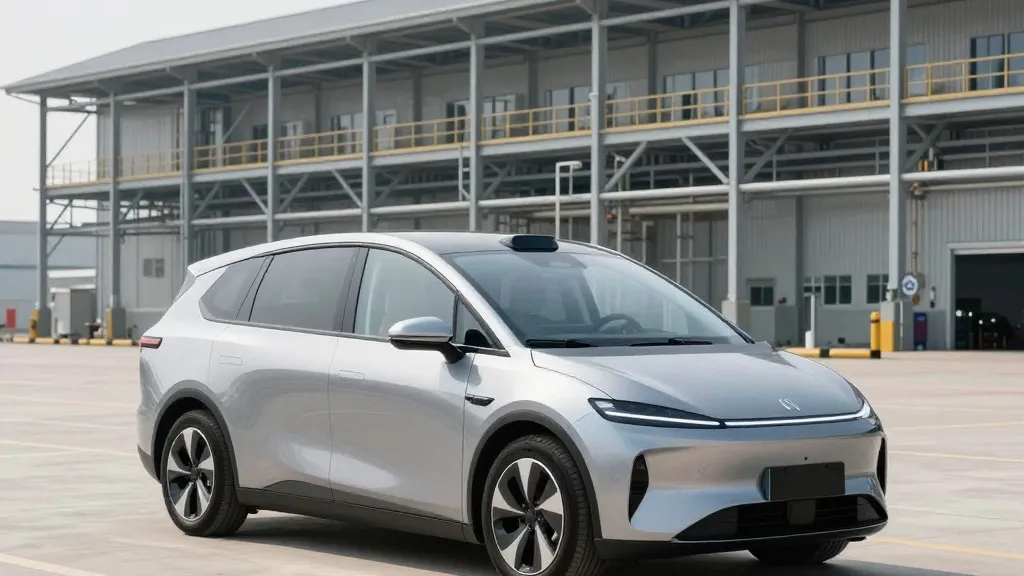
The Cybercab represents a distinct shift in Tesla’s product architecture, featuring a two-seat configuration with no steering wheel or pedals. It relies exclusively on the Full Self-Driving suite and has been in production since February. Early units were integrated into the public Robotaxi service in early September. Tesla has previously indicated an approximate selling price of $30,000 for the vehicle.
Looking ahead, Ashok Elluswamy, Head of AI, indicated that unsupervised Full Self-Driving capabilities are scheduled to ship to consumer cars during Q2 2027. While the path to broader private adoption is clear, early buyers and fleet operators may face geographic restrictions on autonomous operation due to regulatory lag. The company continues to work through remaining hurdles prior to the full scale-up of external deliveries.
Source: Teslarati